
The Relationship Between Water and Blood Pressure
The bottom number (80) measures diastolic pressure, the force of blood in the arteries while Sober living home the heart is relaxed between beats. However, people with certain heart conditions or kidney problems may need to limit their fluid intake, making it essential to follow your doctor’s recommendations. Your kidneys also depend on adequate water intake to regulate sodium levels and remove excess fluid from your body through urine production. Apple cider vinegar has been used for centuries as a health tonic, and some studies suggest that it may offer benefits for lowering blood pressure. But how much vinegar should you drink to potentially lower blood pressure? This article explores the potential benefits of vinegar for hypertension, how it may work to lower blood pressure, and how much vinegar is safe to consume for this purpose.
Does quitting alcohol lower blood pressure?
Every time you smoke a cigarette, it keeps your blood pressure elevated for several minutes. It can affect your arteries and blood vessels and lead to several cardiovascular complications. It is better to avoid alcohol altogether, but you should at least be trying to limit its intake because it helps you lower blood pressure by 2-4 mm Hg. Some experts believe that drinking alcohol in moderation may help lower your blood pressure, but if you start drinking, it is easy to go overboard and drink too much alcohol. You need to stay hydrated to keep your blood pressure within the normal range. That happens because your body tries to secure water by retaining sodium, and sodium has a direct connection to high blood pressure.
How can Eureka’s AI doctor help fine-tune your beet juice plan?
- This can cause your heart and blood vessels to work harder, which can damage your heart muscle over time.
- But a 2021 review suggests that alcohol may have a greater effect on blood pressure in women than in men and a greater effect in Black people than in white or Asian people.
- The studies included individuals with and without high blood pressure.
- Consulting a doctor about alcohol consumption is always advisable, particularly for those on medication or with pre-existing health conditions.
If you have high blood pressure, ask a doctor or healthcare professional whether you should limit or stop drinking caffeinated beverages. High blood pressure usually develops over time and can be caused by food choices, lack of physical activity, and certain health conditions, including diabetes and obesity. Rather than trying to cut out alcohol completely, allow yourself to fully enjoy one or two drinks on designated days per week. Avoid falling into the habit of drinking every single night of the week, which poses the greatest risk for high blood pressure and related issues over time. Moderate drinking reflects up to 1 drink per day for women and 2 for men, sipped slowly so blood alcohol doesn’t spike.
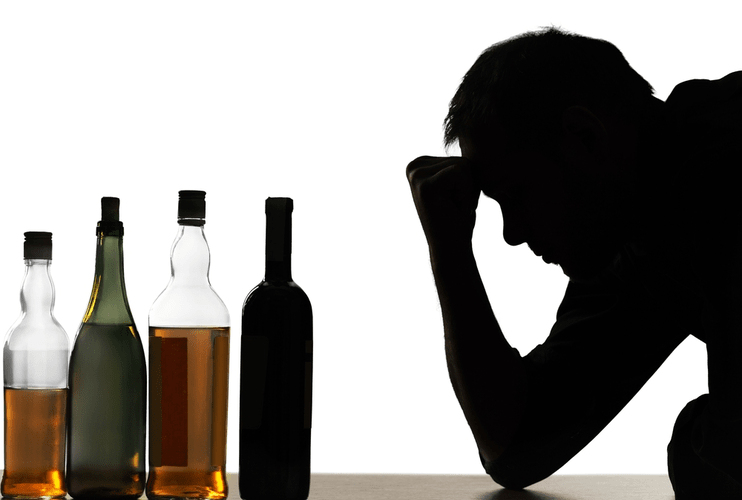
How does alcohol affect blood pressure?
Regular visits with a healthcare professional also are key to controlling blood pressure. If your blood pressure is well controlled, ask your healthcare professional how often you need to check it. Exercise also can help keep elevated blood pressure that’s slightly higher than ideal from turning into high blood pressure, also called hypertension. For those who have hypertension, regular physical activity can bring blood pressure down to safer levels.
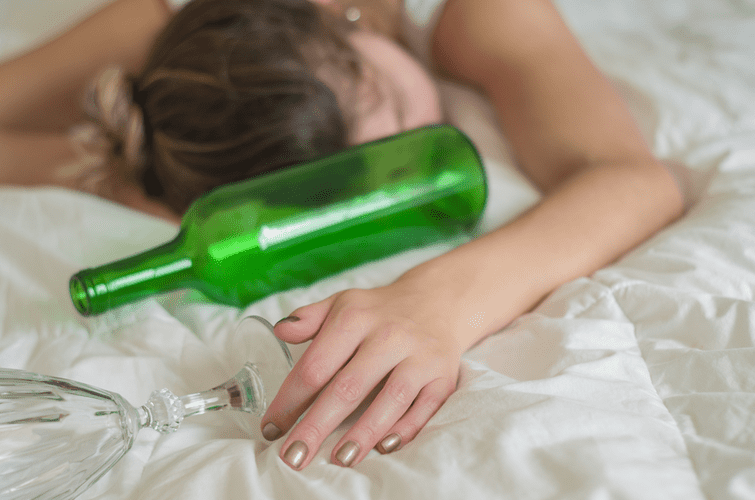
In addition, alcohol itself may interfere with the effectiveness of medications. According to research, the impact of alcohol on blood pressure does drinking lower your blood pressure likely depends on the amount you consume and how much time has passed since consumption. Health professionals usually recommend drinking in moderation, though recent research indicates even moderate drinking may be risky. But according to the same 2017 literature review, moderate coffee consumption is safe, and perhaps even beneficial for both healthy people and those with high blood pressure.
Does Drinking Alcohol Raise Your Blood Pressure?

Feeling lightheaded, weak, or unusually tired after drinking indicates your brain is not receiving adequate blood flow. Older adults have naturally declining cardiovascular function, making them more susceptible to dangerous drops. Davis shared that the key to addressing the blood pressure problem early is routine monitoring.